Category: Mechanisms
Acromegaly: Diagnosis and Treatment
I. Overview of acromegaly Acromegaly is caused by tumors of somatotrophs that secrete excessive growth hormone (GH). In children, this results in gigantism, where they grow faster than…
Cushing’s Disease : Treatment and Diagnosis
I. Overview Of Cushing’s Disease Cushing’s disease is caused by a pituitary tumor that produces excessive, uncontrolled amounts of ACTH, leading to a rise in cortisol levels. This…
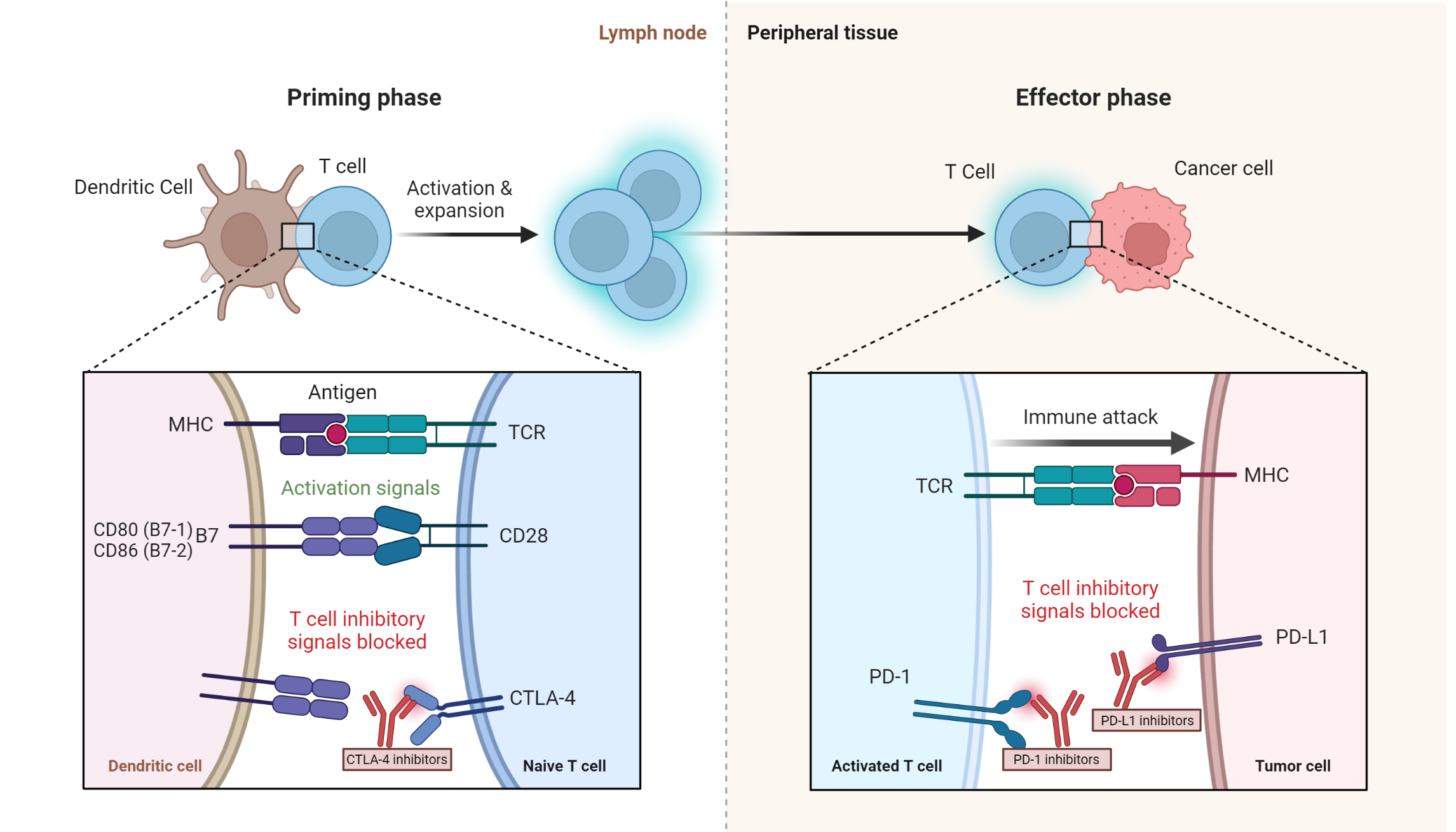
Endocrine Effects of Immune Checkpoint Inhibitors
Introduction Immune checkpoint inhibitors enhance the immune system’s ability to recognize and attack cancer cells. They target specific proteins on immune cells, called immune checkpoints, which play a…
Tolvaptan Mechanism of Action
Vasopressin in Physiology In terms of renal water conservation, the role of Antidiuretic Hormone (ADH, also known as Vasopressin or AVP) in the hypothalamic-pituitary-renal axis is crucial. Vasopressin…
Mechanism of Action of Telotristat
Physiology of Serotonin Serotonin, also known as 5-hydroxytryptamine (5-HT), is predominantly produced by neuroendocrine cells, such as enterochromaffin cells, within the gastrointestinal tract. The synthesis of serotonin is…
Acarbose Mechanism of Action
Physiology of alpha glucosidases in carbohydrate metabolism Alpha-glucosidases represent enzymes found on the brush border of the small intestine, vital for the digestion and absorption of carbohydrates. These…
DPP4 Inhibitor Mechanism of Action
Physiology of the DPP4 enzyme in glucose metabolism Dipeptidyl peptidase-4 (DPP4) is a multifunctional enzyme expressed on the surface of a variety of cell types, including immune, epithelial,…
Mechanism of Action of SGLT-2 inhibitors
Physiology of Renal Glucose Handling by SGLT-2 transporters Plasma glucose filtration occurs at the glomerulus, after which its re-absorption is carried out within the proximal tubule through intricate…
Mechanism of Action Pioglitazone
Physiology Peroxisome proliferator-activated receptors (PPARs) belong to the nuclear receptor superfamily, a large collection of nuclear hormone receptors that includes thyroid hormone receptors, steroid hormone receptors, the vitamin…