Diabetic Ketoacidosis : DKA Protocol
What is Diabetic Ketoacidosis? Omission of insulin and infection are the most common triggers of diabetic ketoacidosis (DKA). Noncompliance with insulin therapy…
Read articleWhat is Diabetic Ketoacidosis? Omission of insulin and infection are the most common triggers of diabetic ketoacidosis (DKA). Noncompliance with insulin therapy…
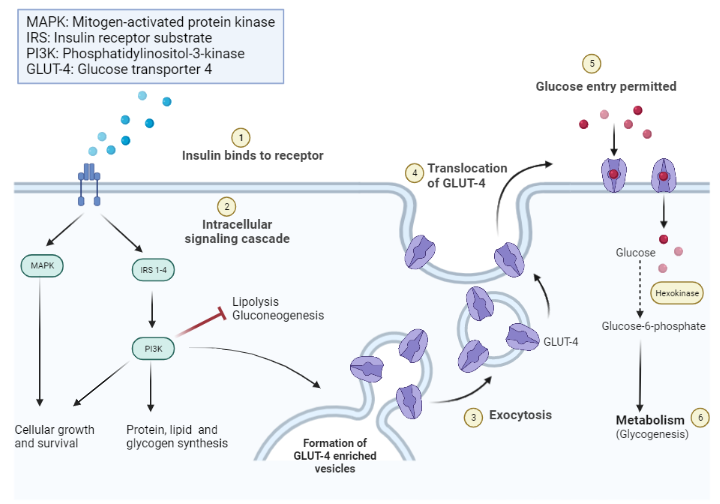
Read articleStructure Of Insulin Insulin is a 51 amino acid peptide hormone that consists of two chains (A and B) linked by a pair…
Read articleDiabetes refers to a varied group of metabolic disorders characterized by chronic hyperglycemia (high blood glucose or sugar levels) resulting from genetic,…
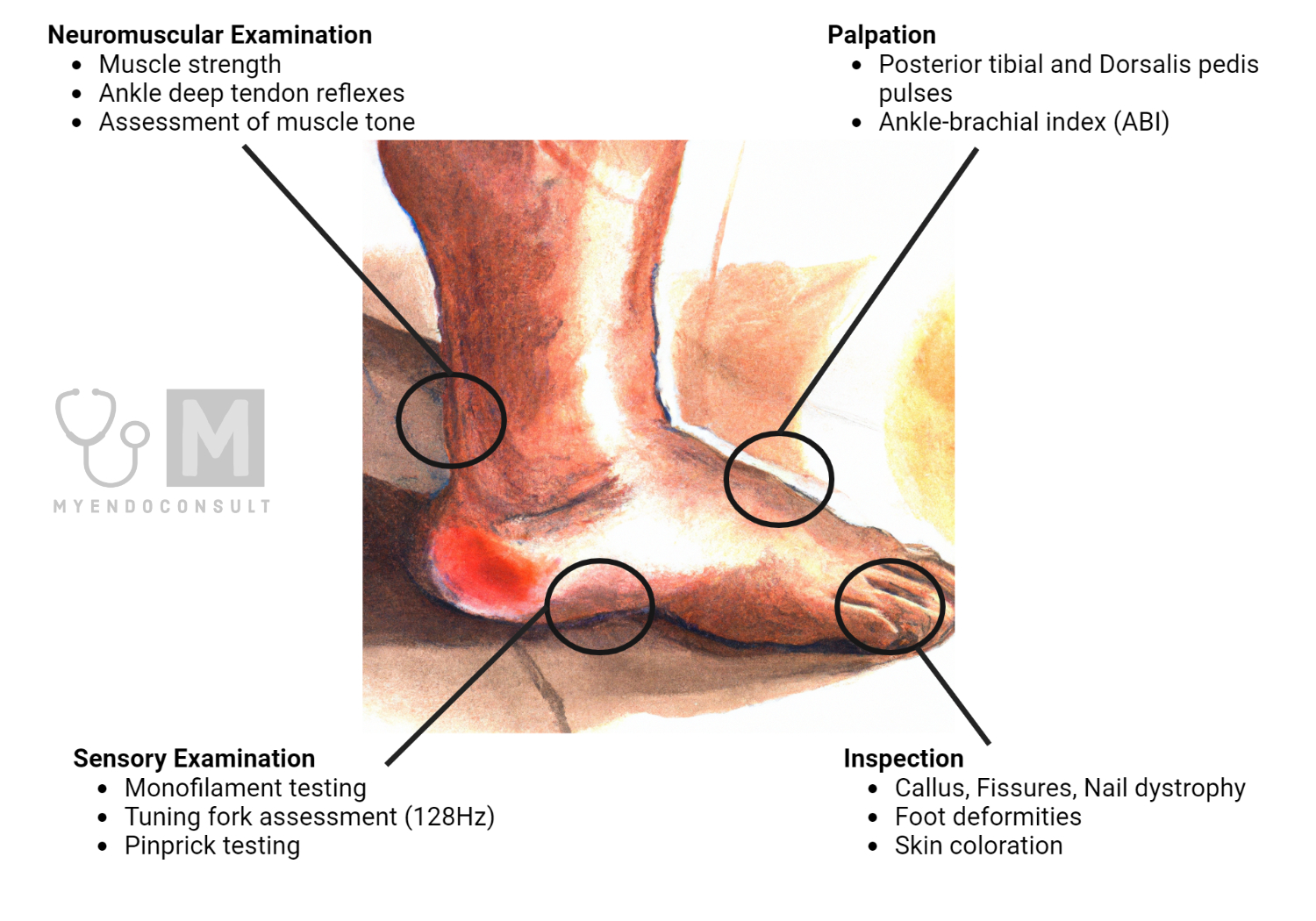
Read articlePeople with diabetes are at a higher risk for various foot health problems; therefore, a thorough foot examination is important. This involves…
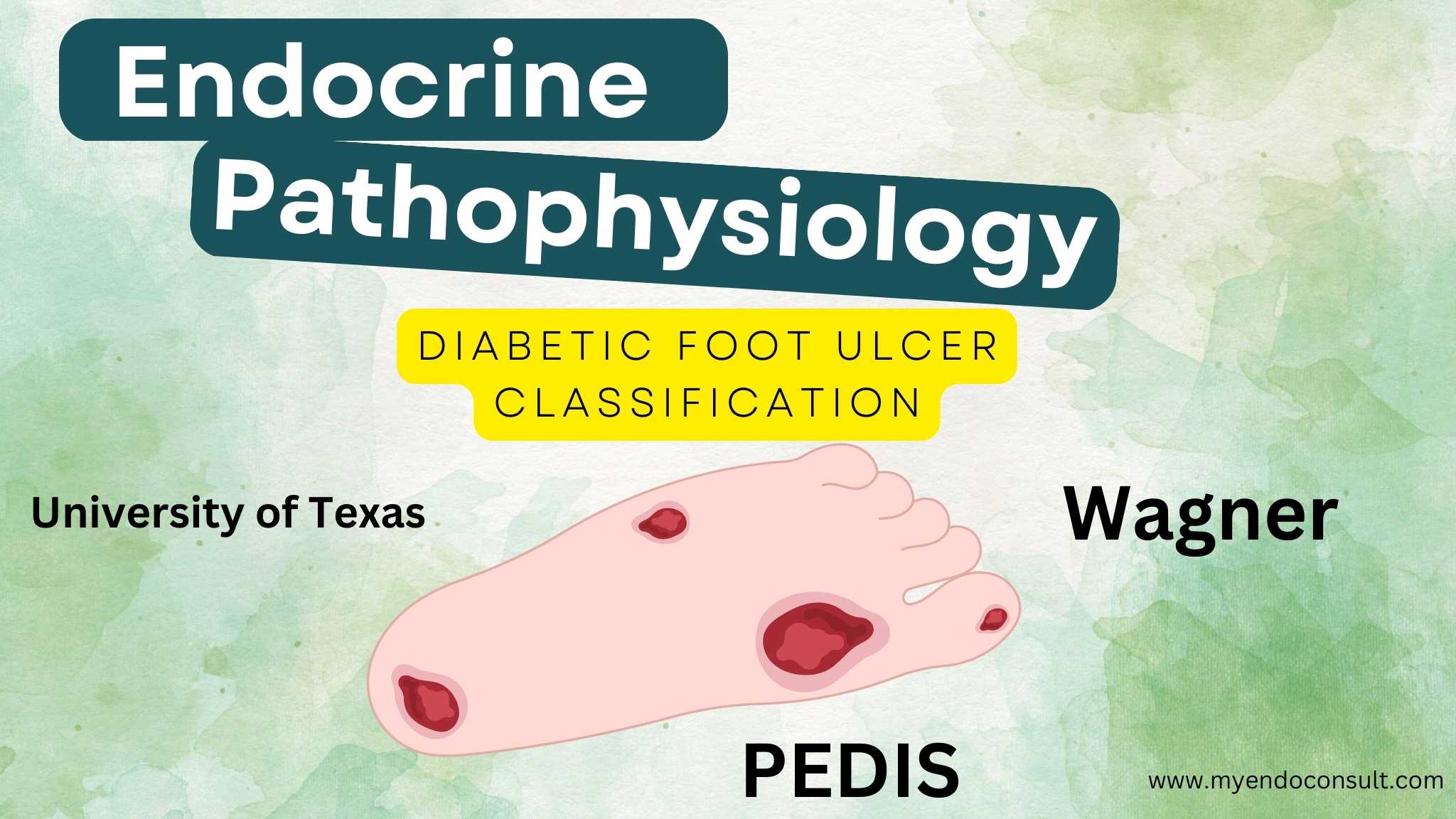
Read articleDiabetic foot ulcers (DFUs) are a common and severe complication of diabetes, affecting up to 15% of individuals with diabetes at some…
Read articleInsulin Resistance Insulin resistance is a complex pathophysiological condition characterized by impaired biological response of body tissues, such as adipose tissue, liver,…
Read articleBeta-hydroxybutyrate (BHB) is a vital indicator of ketone-producing metabolic energy deficits that result from insufficient carbohydrate metabolism, leading to increased fatty acid…
Read articleDiabetes mellitus is an endocrine condition in which patients have elevated blood glucose levels (hyperglycemia). Insulin is a hormone produced by the…
Read articleWhipple triad is defined as symptomatic hypoglycemia, biochemically confirmed hypoglycemia (plasma glucose <55 mg/dl), and reversal of hypoglycemic symptomatology after correction of…
Read articleIncretins are gut-derived factors that enhance insulin release by pancreatic beta cells. These factors are produced by selective posttranslational modification of proglucagon,…
Read article